The name
The broken ship.
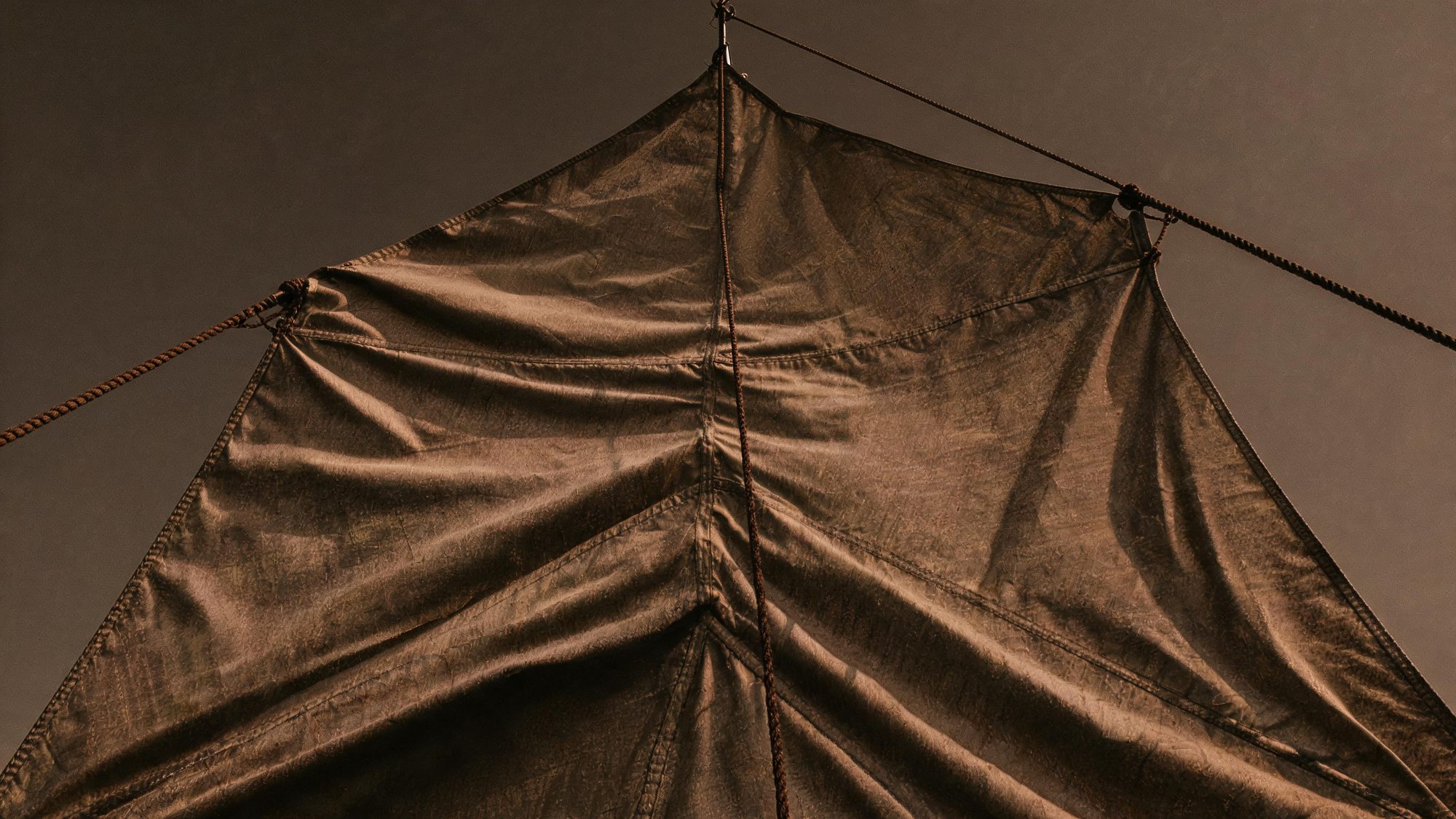
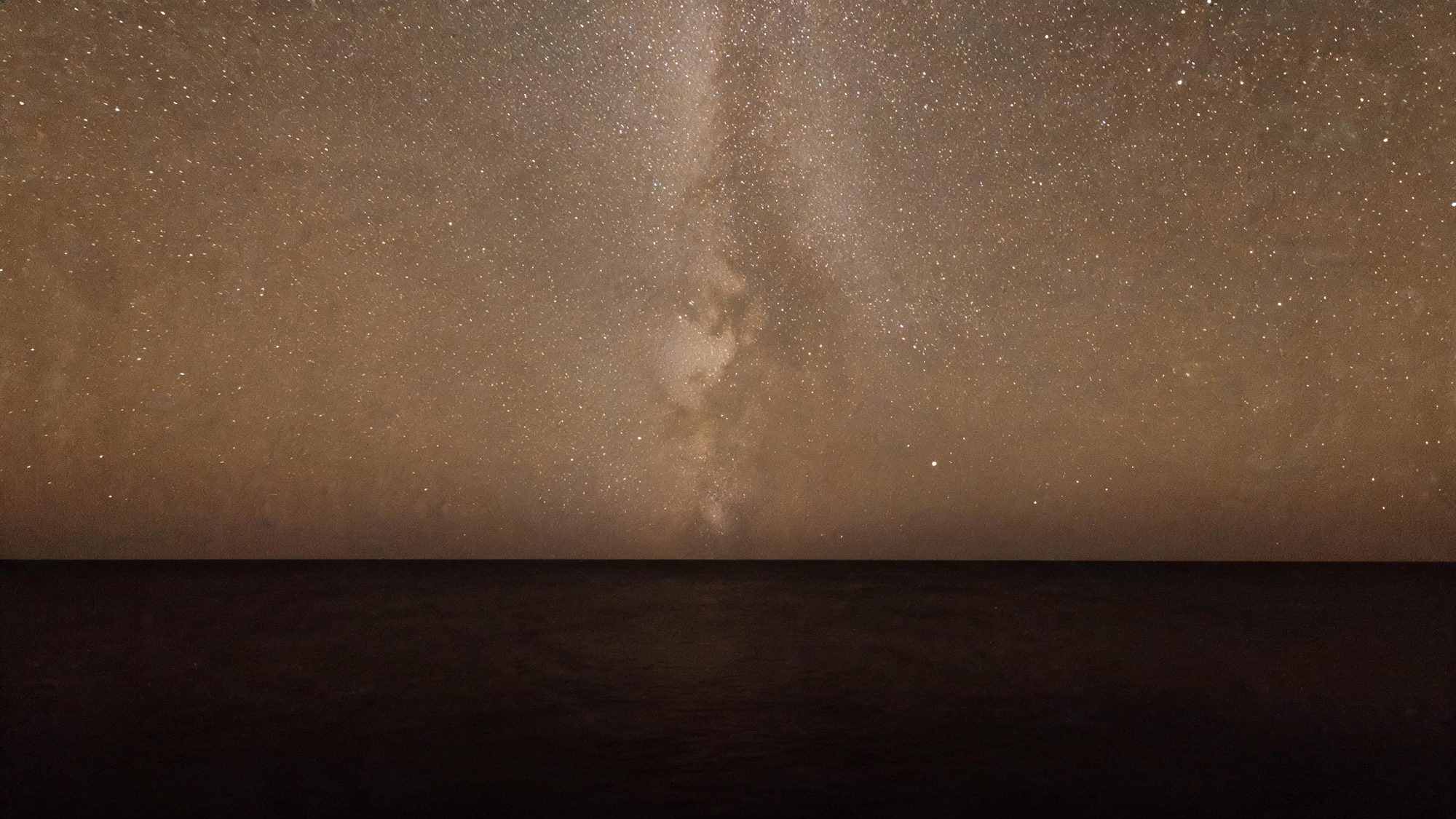
Every studio has an origin story. Ours is two thousand years old, it is written above Auckland most nights, and we did not make up a word of it.
The name
Every studio has an origin story. Ours is two thousand years old, it is written above Auckland most nights, and we did not make up a word of it.
It had a name. Argo Navis, after the boat Jason took when he went looking for the golden fleece. Ptolemy wrote it into the catalogue in the second century and there it stayed, enormous, sitting low over the southern ocean.
Which was convenient, because the people who most needed to find their way home were underneath it.
It was also the largest constellation anybody had ever mapped. Too large, as it turned out, to be much use.
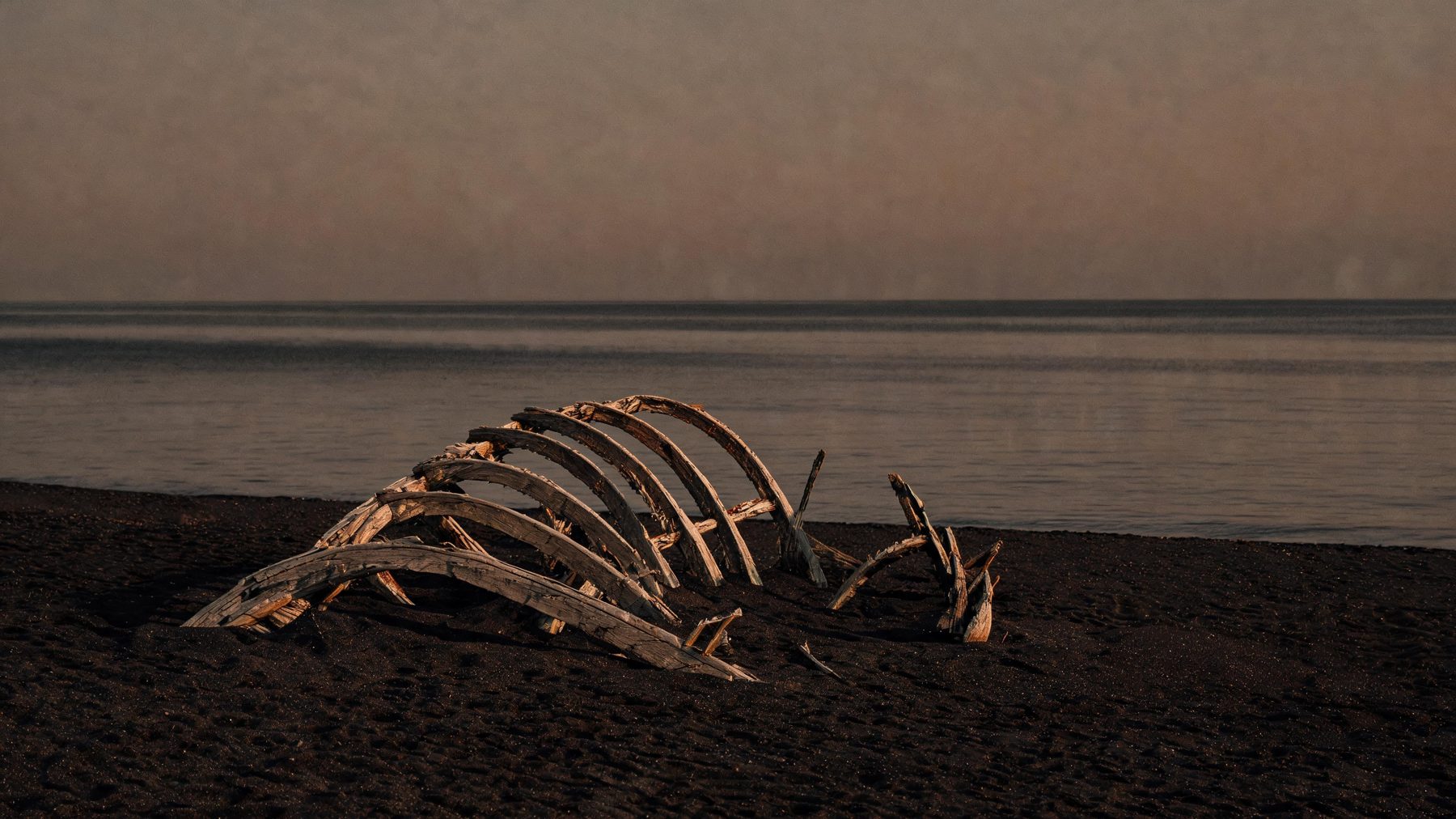
His name was Nicolas-Louis de Lacaille. He had spent two years at the Cape of Good Hope with a half-inch telescope, cataloguing ten thousand southern stars almost single-handedly, and he had come to the view that a constellation the size of a small country was useless to anyone actually trying to navigate.
So he broke the ship into three pieces and named each one after a part of the boat.
Everyone remembers that a famous ship got dismantled. Almost nobody notices which piece walked away with the interesting job.
Carina
The spine along the bottom. It stops the whole thing rolling over, and it is the reason a boat holds its shape. In several thousand years of sailing it has never moved anything anywhere.
Puppis
The back end. Where the weight sits, where the steering happens, where the captain stands and looks important. Also, in itself, completely inert.
Vela
The only part of that ship that could catch anything at all. Take the sails off and you own a very expensive, very beautiful object that goes precisely nowhere.
What it actually does
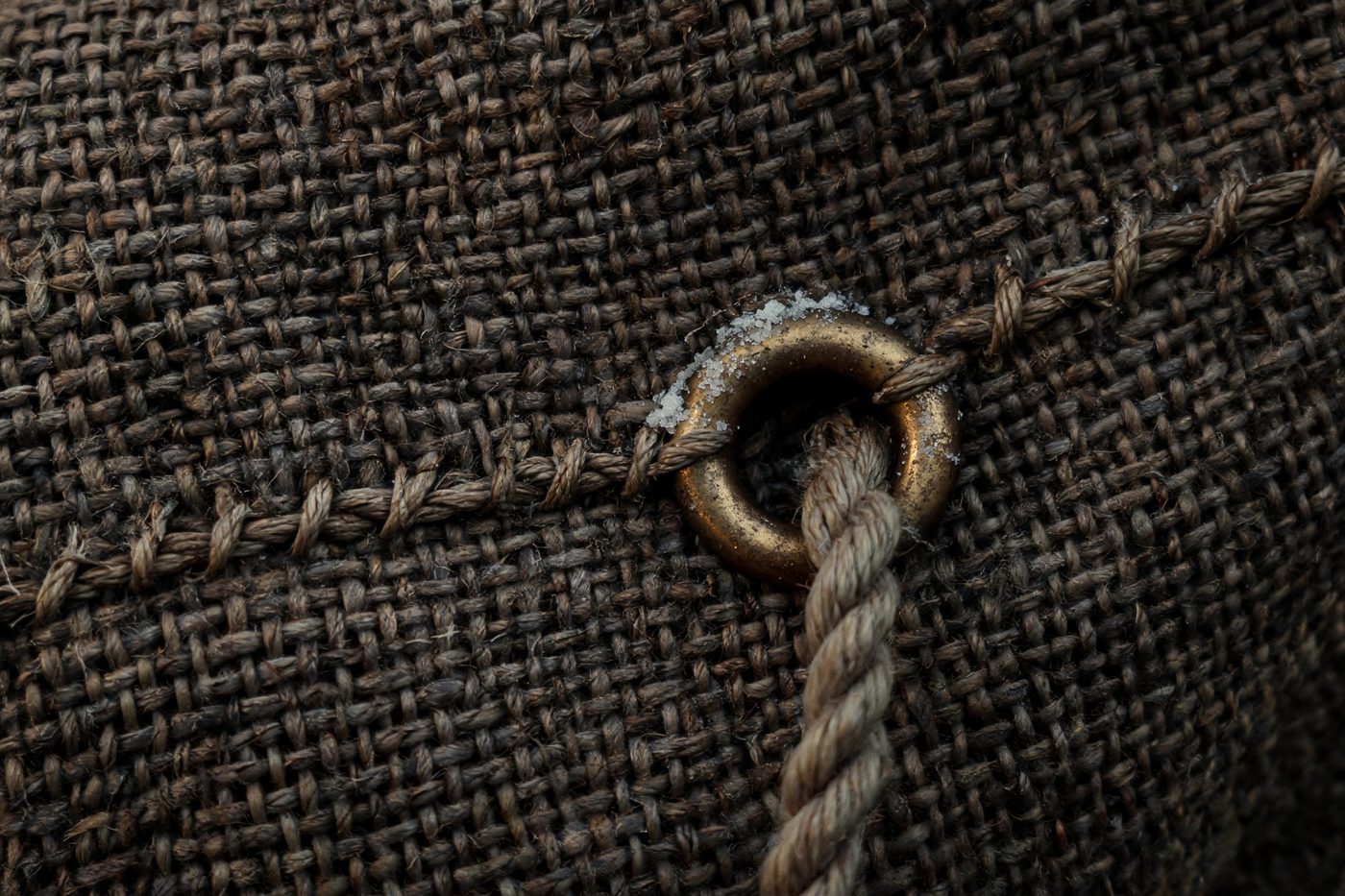
It does not generate anything. It does not push. Laid out on a workshop floor it is a large piece of cloth with strong opinions about geometry.
What it does is take something that was already happening, something invisible and free and passing you either way, and turn it into direction.
The wind was going to blow regardless. The sail is the only reason it takes you anywhere.
Why this is about you
They are typing it into a phone, asking a friend, half-watching a video about it, scrolling past you. That is happening whether or not you have built anything, and it is the single most valuable thing in your business. You did nothing to earn it and it costs you nothing.
That is the wind.
Most businesses have no sail up. The attention arrives, finds nothing worth pushing against, and carries on to somebody who bothered. Not because the product was worse. Because the surface was.
Which makes it a craft problem, not a marketing problem. You do not fix it by shouting louder into the same wind. You fix it by putting up something that catches.
One more thing
It sits at a declination of minus forty-seven degrees. From most of Europe and nearly all of the United States it never properly clears the horizon. To see the sails you have to be down here, in the part of the world that had to learn navigation because everything else was a very long way away.
We are in Auckland. That is not a quirk in the footer or something to apologise for on a call.
The thing we are named after is only visible from where we work.
They kept the keel and the stern.
We took the sails.
We build the surface that catches. If something is already moving past your business, we would like to point it somewhere useful.
Start a projectGamma Velorum · 08h 09m 32s · −47° 20′ 12″